Sek Virtual Family is a social sandbox where users adopt family roles and commit to a shared digital
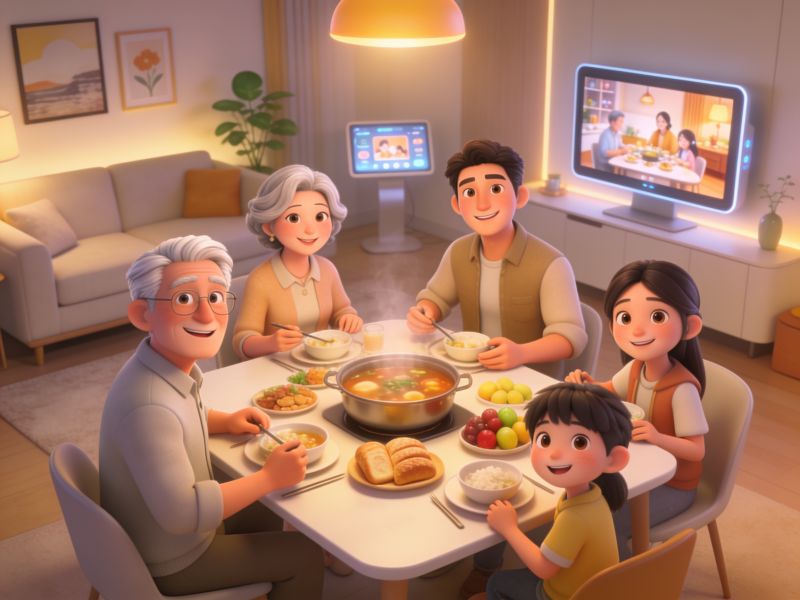
On a Tuesday night。a user called Grandma Lin logs into Sek Virtual Family to check whether her virtual grandson has finished his math homework. He hasn't. She sends a gentle nudge, and he replies with a string of excuses. It feels mundane, almost real. Sek Virtual Family isn't a game in the traditional sense. It's a social sandbox where people adopt family roles—parent, child, sibling, grandparent—and commit to a shared digital household. I spent three weeks inside one such family. The onboarding quiz asked about my conflict style and how often I'd be online. Within days, I had a virtual sister who borrowed my avatar's sweater without asking. The platform's design pushes you toward routines: weekly family dinners, chore rotations, a shared budget for virtual rent. That structure is the point. It creates friction, and friction creates attachment.
Mira, a 34-year-old nurse in Ohio, plays a mother to two virtual teenagers. She told me she joined Sek Virtual Family after her night shifts left her too exhausted for real-world socializing. Her virtual kids ask for advice, complain about school, and sometimes ignore her. 'It's surprisingly grounding,' she said. But not every family runs smoothly. I watched a dispute erupt over who should pay for a virtual electricity bill. One member accused another of freeloading. The argument lasted three days and ended with a moderator stepping in. Another user, Tom。quit after his virtual father disappeared without warning. He described the loss as 'a small death.' That reaction made sense to me. The platform doesn't simulate emotions;it triggers them. When someone logs off for good, the absence is felt by everyone who shared that digital space.The mechanics of Sek Virtual Family are simple but clever. You choose a role, get matched with strangers。and receive a set of shared goals. Weekly family meetings are scheduled by the app, but the agenda is up to the group. Some families focus on cooperative games;
others just chat. I noticed that the most stable families had clear rules about off-platform contact. The ones that blurred boundaries—sharing real phone numbers, meeting in person—tended to collapse faster. Anonymity can be liberating, but it also makes cruelty easier. A single harsh comment can fracture a family that took weeks to build. The app's reporting tools work, though slowly. My own virtual sister once told me she felt ignored. I hadn't logged in for four days. That guilt was real, and it taught me something about the weight of even low-stakes commitments.Why do people seek out Sek Virtual Family?Loneliness, geography, disability, social anxiety—the reasons vary. A wheelchair user in Brazil told me that virtual family dinners were the first meals she'd shared with 'siblings' in years. But there's a darker side. One family I observed held a virtual funeral for a member who had died in real life. They didn't know his real name or where he lived. They lit digital candles and shared memories. It was tender and deeply strange. The platform's rules forbid sharing personal identifying information, which protects privacy but also prevents real-world support. That tension is unresolved. I don't think Sek Virtual Family is a substitute for offline relationships. It's a rehearsal space. You practice listening, forgiving。
and showing up. Those skills can transfer. Or they can stay trapped in the app, a loop of simulated intimacy that feels safer than the messy alternative.My final judgment after three weeks: Sek Virtual Family is neither a utopia nor a dystopia. It's a mirror. The same power struggles, petty grievances。and quiet kindnesses that shape real families show up here, just faster and with a logout button. If you join, set boundaries early. Decide how much time you'll give, and stick to it. Treat other members as people, not avatars. And pay attention to your own motives. Are you looking for distraction or connection?The platform won't answer that for you. What it does offer is a low-stakes way to practice being part of something larger than yourself. That's valuable. But it's also fragile. The moment you stop logging in, your virtual family moves on without you. That's the deal. Take it or leave it.