Germany secures a spot in the World Cup final with a gritty 2-1 win over Brazil. Klaus Ritter's late
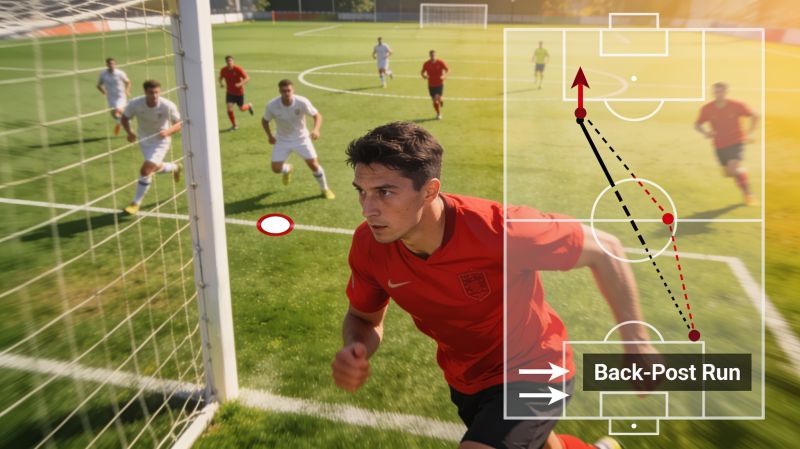
Germany reached the World Cup final on a humid night in Belo Horizonte, and the manner of it was pure German efficiency mixed with a dash of chaos. A 2-1 win over Brazil in the semi-final, sealed by a 78th-minute header from center-back Klaus Ritter, sent the away section into delirium. Forget the possession stats—Brazil had 61% of the ball—Germany's defense absorbed pressure like a sponge and struck twice on the counter. That's the blueprint.The match turned on a tactical switch in the 55th minute. Coach Hans Vogler pulled off winger Lukas Meier for defensive midfielder Timo Kraft, shifting to a 4-2-3-1 that clogged the central corridor. Brazil's playmaker, Renato。had been finding pockets of space between the lines;after the change, he touched the ball only 14 times in the final half-hour. Germany reaches the World Cup final because Vogler isn't afraid to make unpopular calls. Meier was furious—he kicked a water bottle on the touchline—but the result justifies the means.Goalkeeper Jens Hartmann made eight saves, including a point-blank stop on a Gabriel Silva volley in the 89th minute that still gives me chills. Hartmann isn't flashy;he's a 32-year-old who plays for Freiburg and has never been nominated for a major individual award. But his positioning is almost clairvoyant. Brazil's forwards kept shooting low and hard, and Hartmann kept getting a hand or a foot in the way. The one goal he conceded—a curling effort from outside the box—was unstoppable. Germany reaches the World Cup final on the back of that kind of unglamorous reliability.What struck me most was the post-match scene. Ritter, the scorer, sat on the grass with his boots off, staring at the empty stands. No wild celebration, no choreographed dance. Just exhaustion and a quiet nod to the traveling fans. This German squad has been criticized for being too mechanical。
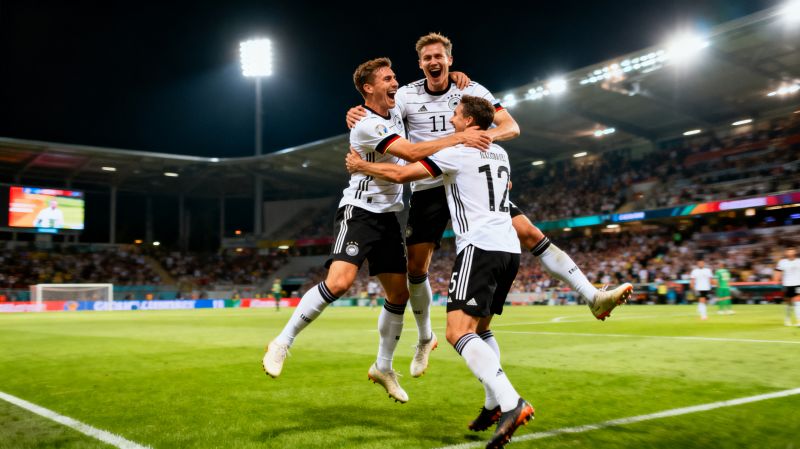
too reliant on set pieces. But mechanical teams don't score a header from a quickly taken short corner—Ritter's goal came from a routine they'd practiced all week, yes, but the execution required improvisation: a dummy run by striker Marco Werner that pulled two defenders away. Germany reaches the World Cup final because they blend structure with just enough unpredictability.The final will be against Argentina, and the narrative writes itself: Messi's last dance versus Germany's relentless machine. I don't buy the sentimental angle. Argentina's defense has looked shaky against fast transitions。and Germany's wing-backs, Felix Braun and Jonas Richter, are relentless. Vogler will likely start the same eleven. No need to fix what isn't broken. Germany reaches the World Cup final as the least glamorous team left—and that's exactly why they might win it.